
Decoding synchronization between loyalty tiers and interface navigation in app-based reward distribution systems
App-based reward distribution systems rely on coordinated links between user loyalty tiers and the way people move through digital interfaces, while developers adjust navigation paths to match tier status and unlock different reward options over time. Observers note that higher tiers often trigger changes in menu layouts, shortcut placements, and notification priorities so users reach personalized offers without extra steps.
How Loyalty Tiers Shape App Navigation Patterns
Loyalty tiers function as progressive levels that reflect user activity and spending within an app ecosystem, and these levels directly influence which interface elements appear first on screens. Basic tiers typically present standard menus focused on core features, whereas advanced tiers introduce streamlined pathways to exclusive rewards through repositioned buttons and collapsed submenus. Research from the University of Melbourne indicates that synchronized designs reduce the number of taps required for tiered users to access benefits, because algorithms detect tier status upon login and rearrange navigation accordingly.
Data collected across multiple platforms shows that navigation synchronization often involves dynamic loading of tier-specific modules, and these modules appear in side panels or tab bars once a user crosses into a new level. Companies track engagement metrics to refine these adjustments, while interface updates in July 2026 reflected refined algorithms that prioritized reward sections for platinum-level users based on prior session patterns.
Mechanisms Behind Reward Distribution Synchronization
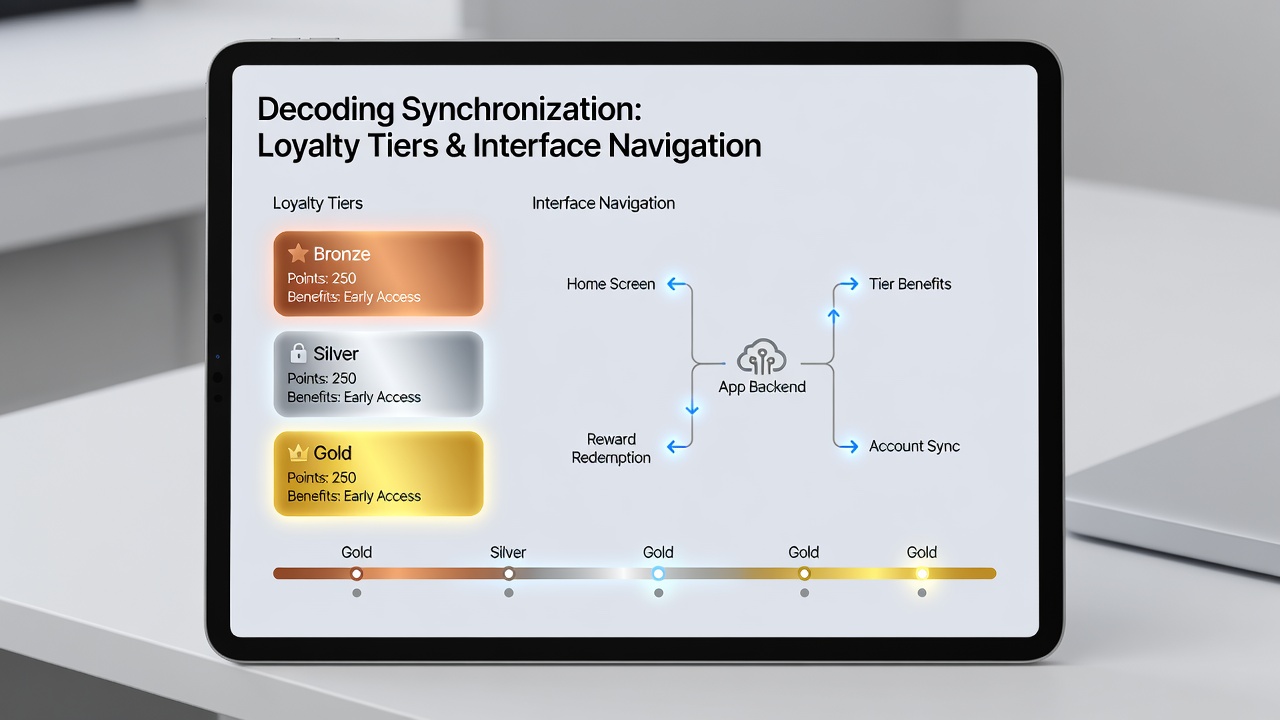
Reward distribution in these systems depends on real-time matching between tier data stored in backend servers and the frontend navigation logic running on mobile devices. When a user completes actions that elevate their tier, the app pushes updated interface configurations that highlight new reward categories without requiring manual refreshes. According to findings published by the Australian Competition and Consumer Commission in industry reports, such synchronization improves claim rates because navigation elements adapt instantly to reflect eligibility changes.
Developers implement API calls that pull tier information and feed it into navigation controllers, and this process occurs in the background during app launches or account syncs. The result appears as contextual menus that expand or contract based on current status, while push notifications guide users toward newly available rewards through direct links embedded in the interface.
Observed Patterns Across Different Platforms
Studies of retail and service apps reveal consistent patterns where loyalty tiers correlate with navigation depth, and users at entry levels encounter broader category browsing whereas top-tier accounts receive direct access to curated reward streams. Those who've examined usage logs report that synchronization reduces friction during reward claims, because interface elements such as floating action buttons change color or position to match tier privileges. Evidence from platform analytics indicates that these adaptations occur through rule-based engines that evaluate user profiles against predefined tier criteria.
Examples from airline loyalty programs demonstrate how silver, gold, and platinum tiers receive progressively simplified paths to seat upgrades and lounge access, and the same principles apply in grocery apps where navigation shortcuts to personalized coupons appear only after tier thresholds are met. Researchers discovered that mid-2026 platform updates incorporated machine learning elements to predict navigation needs based on historical tier progression, leading to fewer abandoned reward sessions across tested user groups.
Technical Considerations in Interface Design
Building synchronized systems requires careful integration of user authentication protocols with navigation frameworks, and developers must ensure that tier changes trigger immediate interface recalibrations without disrupting ongoing sessions. Security layers verify tier status before exposing advanced navigation options, while fallback designs maintain basic functionality for users whose tier data fails to sync promptly. Industry organizations like the Interactive Advertising Bureau have documented best practices for handling these transitions across iOS and Android environments.
Performance testing shows that efficient synchronization keeps load times consistent regardless of tier complexity, because optimized code caches tier-specific layouts locally after the initial server response. Observers note that delays in reward visibility often stem from incomplete data handoffs between loyalty databases and navigation components rather than design flaws in the interface itself.
Conclusion
Synchronization between loyalty tiers and interface navigation continues to evolve as app developers refine data flows and user pathways in reward distribution systems. Patterns observed through 2026 demonstrate measurable impacts on how quickly users locate and claim benefits once navigation adapts to their current tier status. Future refinements will likely focus on predictive adjustments that anticipate tier movements before they occur, further tightening the connection between status levels and the digital routes users follow within these applications.