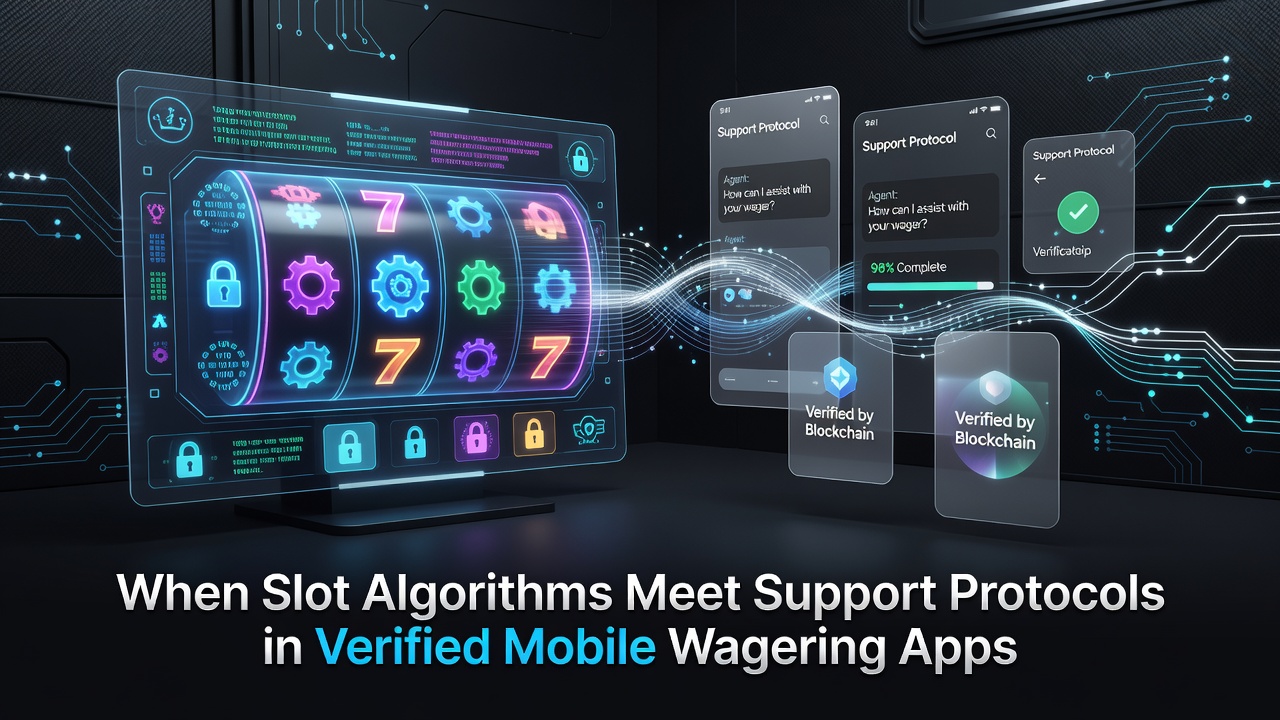
Slot Algorithms and Their Interplay with Support Protocols Across Verified Mobile Wagering Applications
Slot algorithms in verified mobile wagering apps rely on certified random number generators that produce outcomes at rates exceeding 1000 results per second, while support protocols handle player queries through encrypted ticketing systems that pull real-time data from those same generators. Regulatory frameworks in multiple jurisdictions require operators to maintain audit logs that link algorithmic outputs directly to dispute resolution records, creating traceable connections between game mechanics and assistance workflows.
Core Components of Slot Algorithms in Mobile Settings
Developers implement pseudorandom number generators that undergo testing by independent laboratories such as Gaming Laboratories International, with certification cycles often completed every six months to confirm statistical fairness. These algorithms determine reel positions, bonus triggers, and payout sequences, and they store timestamped seeds that support teams can reference during player inquiries about unexpected results. Mobile platforms add layers of device-specific checks, including geolocation verification and session integrity scans, which feed into the same backend databases used by support staff.
Research from academic institutions has documented how synchronization between algorithm servers and mobile clients reduces latency to under 50 milliseconds, allowing support protocols to retrieve game state data almost instantly when a user reports an issue during play. In October 2026, several state regulators updated reporting requirements to include algorithm-to-support data mapping as part of quarterly compliance submissions.
Support Protocol Structures and Data Access
Support systems in these apps operate through tiered response models where initial automated replies draw from predefined knowledge bases, then escalate to human agents equipped with access to game logs. Protocols dictate that agents must verify player identity through multi-factor authentication before disclosing any algorithmic details, such as the seed value or payout calculation path. This process ensures compliance with data protection standards while enabling precise explanations for events like bonus round malfunctions or balance discrepancies.
Operators integrate application programming interfaces that allow support dashboards to query slot engine outputs without exposing raw code, a setup that maintains security boundaries yet provides enough information for agents to resolve most disputes within a single interaction cycle. Figures from industry reports indicate that apps with direct algorithm access for support teams see average resolution times drop by 35 percent compared to those relying solely on manual log reviews.
Integration Mechanisms and Verification Layers
Verified mobile wagering applications connect slot algorithms to support protocols through centralized logging servers that record every outcome alongside associated player actions and timestamps. When a support ticket references a specific spin or session, the system cross-references the algorithmic record against the player's device telemetry to confirm no external interference occurred. This linkage supports regulatory audits by generating exportable reports that detail both the random sequence and the assistance provided.
Security protocols require encryption of all data transfers between the game engine and support interfaces, with keys rotated at intervals specified by regional gaming authorities. One documented approach involves embedding unique transaction identifiers in both algorithmic outputs and support records, allowing investigators to reconstruct full event chains without accessing sensitive player financial information. According to data released by the Nevada Gaming Control Board, such integrated systems have contributed to a measurable decline in unresolved mobile gaming complaints over recent reporting periods.
Regulatory Oversight and Compliance Practices
Agencies across North America and Europe mandate that operators demonstrate how support protocols maintain alignment with algorithm certifications during both routine inspections and incident investigations. In practice this means submitting sample data sets that show support agents receiving accurate representations of game results without compromising the underlying randomness functions. Australian state regulators have introduced similar guidelines that emphasize real-time monitoring capabilities for mobile platforms operating within their jurisdictions.
Industry associations track these developments through working groups focused on technical standards, producing guidelines that recommend minimum data retention periods and specific formats for algorithm-support linkage reports. Observers note that platforms adopting these standards early often experience smoother approval processes when expanding into new markets.
Conclusion
The intersection of slot algorithms and support protocols in verified mobile wagering apps continues to evolve as regulators refine requirements for data transparency and system interoperability. Operators maintain these connections through certified logging practices, secure interfaces, and trained personnel who access only the information needed for resolution. Ongoing updates to compliance frameworks ensure that these integrations remain both functional and auditable across different jurisdictions.