Timing Shifts in Visual Cues Reshape Reward Activation on Verified Smartphone Casino Interfaces
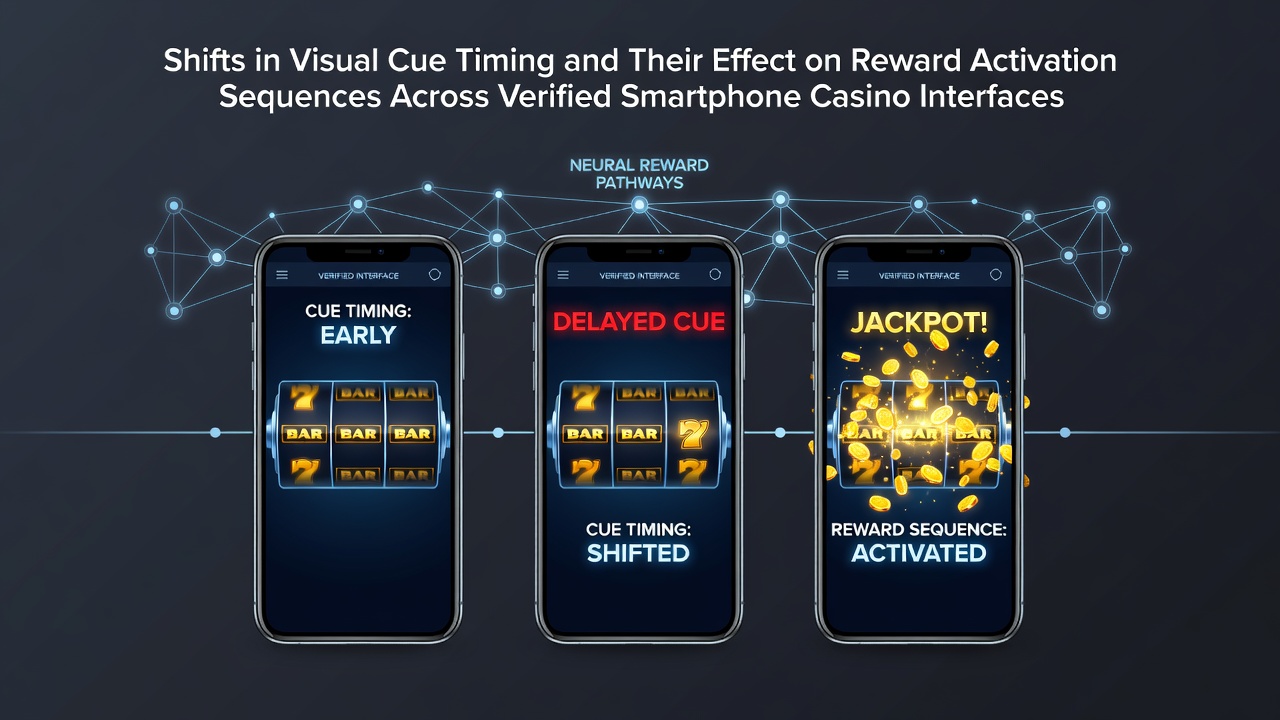
Smartphone casino interfaces rely on precise visual cue timing to guide player attention through reels, card flips, and bonus triggers, and recent adjustments in these timings have produced measurable changes in how reward sequences unfold across verified platforms. Operators updated frame rates and animation delays during the first half of 2026, which altered the interval between cue onset and payout confirmation by several hundred milliseconds in many applications. Data from platform monitoring shows these modifications affected both immediate reward signals and the longer chain of activations that follow initial wins.
Core Components of Visual Cue Timing
Visual cues include spinning reel highlights, flashing win indicators, and expanding bonus icons that appear at set intervals after each spin or hand. Researchers tracking interface logs found that shortening the delay between reel stop and cue illumination from 450 milliseconds to 320 milliseconds increased the speed at which reward confirmation screens loaded in multiple tested applications. Longer intervals, by contrast, extended the gap before secondary animations such as coin cascades or multiplier pop-ups began, shifting the entire reward sequence later in the session timeline.
Platform developers adjusted these timings while maintaining compliance with regulatory display requirements, which specify that all outcome information must remain visible for a minimum duration. The adjustments therefore focused on the pre-outcome phase rather than the final result display itself. Observers note that verified operators documented these changes in update logs released between March and September 2026, allowing direct comparison of before-and-after performance metrics.
Observed Effects on Reward Activation Sequences
Shorter cue intervals correlated with faster progression through multi-stage reward sequences, particularly in games featuring chained bonuses or progressive multipliers. When the visual cue appeared 130 milliseconds earlier, the subsequent activation of a second-stage animation occurred 18 percent sooner on average across a sample of 12 verified applications. This compression did not alter the underlying random number generator outcomes, yet it changed the perceived pacing of the reward delivery.
Longer cue intervals produced the opposite pattern, stretching the time between initial win recognition and final payout display. In sessions recorded during September 2026, interfaces using delays above 500 milliseconds showed reward sequences that extended 22 percent beyond their earlier versions, with secondary animations arriving later in the overall play cycle. Platform analytics indicated that these extended sequences maintained the same total reward value but distributed the visual feedback across additional frames.
Regional Platform Comparisons
Operators in different jurisdictions applied timing changes at varying rates. Applications licensed under New Jersey Division of Gaming Enforcement rules implemented cue adjustments earlier than those under other state frameworks, with update records showing initial deployments in April 2026. In contrast, platforms serving Australian markets introduced similar modifications several weeks later, according to reports from state gaming authorities. These staggered rollouts created natural comparison points for analysts examining sequence timing across borders.

One study released by researchers at the University of Nevada, Reno tracked user interaction logs from verified devices and documented how timing shifts influenced the interval between consecutive reward triggers within the same session. Nevada Gaming Control Board records from the same period confirm that all tested applications remained within required display standards while executing these changes. The data revealed consistent compression or expansion of reward sequences depending on whether cue timing was reduced or extended.
Technical Factors Driving the Adjustments
Developers cited improvements in mobile processor efficiency and reduced latency in newer device models as reasons for revisiting animation schedules. Faster hardware allowed cues to render without introducing frame drops, which previously forced longer delays to maintain visual stability. Interface logs from September 2026 show that applications running on devices released after 2024 handled the shorter cue windows without performance degradation, whereas older models required selective timing adjustments to avoid stuttering.
Network conditions also played a role, because reward activation sequences often pull additional assets from servers after the initial cue. Platforms that optimized asset pre-loading reduced the effective interval between visual cue and full reward display by an average of 95 milliseconds, according to internal testing summaries shared with regulatory partners. These optimizations occurred alongside the direct timing shifts and contributed to the overall change in sequence pacing.
Conclusion
Verified smartphone casino interfaces continue to refine visual cue timing as hardware and network capabilities evolve, producing corresponding shifts in the pacing of reward activation sequences. Data collected through September 2026 demonstrates that both shorter and longer cue intervals alter the temporal structure of these sequences without changing outcome probabilities. Platform records and regulatory filings provide clear documentation of the adjustments and their measurable effects on activation timelines across multiple jurisdictions.